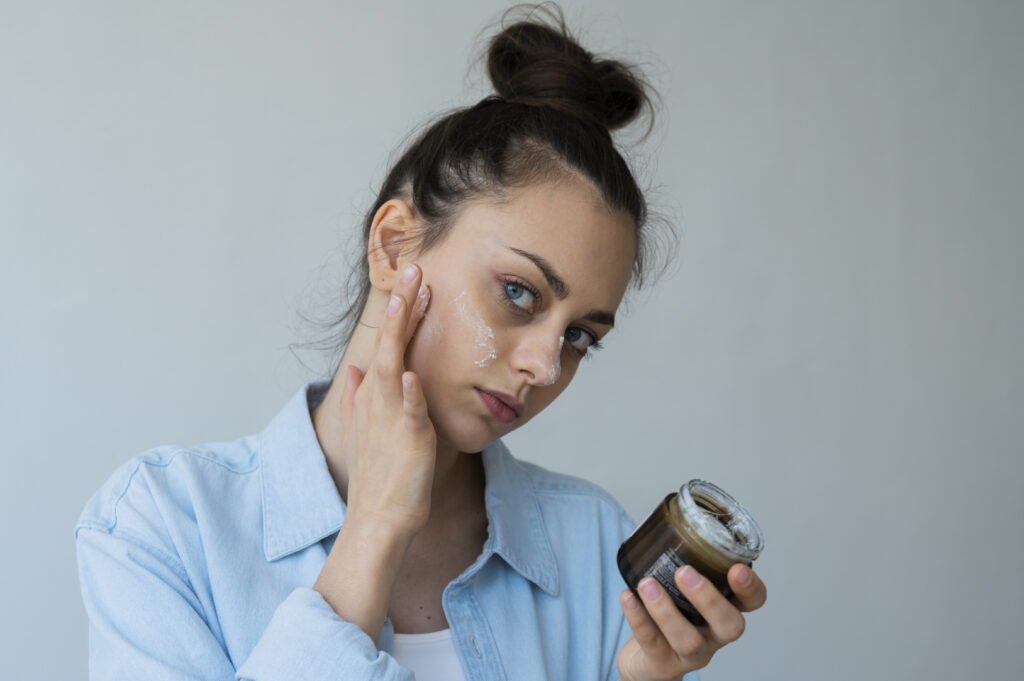
Pore-Free Skin Secrets: How to Get Rid of Pores the Right Way

Pore-Free Skin

Pores are openings that allow hair follicles and oil glands to function properly. Genetics, age, and oiliness can make them more visible. They can stretch due to the accumulation of oil, dirt, and dead skin inside.

To reduce the appearance of large pores, it is essential to understand the factors that cause them to become enlarged. It is vital to keep the skin clean and free of clogged pores.

Daily Cleansing: Your First Line of Defence

  • Regularly washing the face is the first step in reducing the appearance of pores. This involves removing excess oil, makeup, and dirt from the skin to keep it clean and clear.
  • Use a mild cleanser that does not strip the skin’s natural moisture. Oil-based cleansers are for removing grease, while gel types are for oily skin. 
  • In the evening, double cleanse your face. This helps eliminate deep, large pores on the nose that are clogged with dirt.

Chemical peels to make pores smaller

To reduce the appearance of large pores, consider chemical peels. They gently dissolve dead skin without the need for harsh scrubs. Salicylic acid penetrates pores to remove excess oil. It works best for oily skin.

Glycolic acid helps remove surface dead cells, smoothing the skin. Although not as thorough as a deep clean, it makes pores look smaller by smoothing the surrounding area.

Retinoids: Best for reducing pores

Retinoid creams accelerate skin turnover, helping to prevent clogged pores. They also produce collagen, which helps maintain the skin’s structure in the long term. Hence, retinoids are effective in decreasing huge visible facial pores.

Initially, use OTC retinol every third night for adaptation, then gradually increase the frequency of use. Retinoids can make the skin sensitive to sunlight, so it’s best to apply them at night and shield with a broad-spectrum SPF during the day.

Niacinamide: The Gentle Pore Minimiser

Niacinamide is a form of vitamin B3, which helps decrease oil production, reduce inflammation, and strengthen the skin’s barrier. Regular utilisation diminishes pore appearance and enhances texture.

Niacinamide is gentle. Use with retinoids, vitamin C, and exfoliants in the AM and PM. Opt for 5%-10% niacinamide for effectiveness.

Clay Masks and Deep-Cleansing Treatments

Clay masks absorb excess oil and impurities from pores. Bentonite and kaolin are suitable for oily skin; French green clay is milder for sensitive skin.

Utilise clay masks 1-2x weekly on wetted face; allow drying before rinsing with lukewarm water. Avoid overuse, as this can lead to dryness and irritation.

Professional Treatments for Enhanced Results

  • Home care is vital for managing pores, but professional help can also be beneficial. Understand when to seek help for optimal results.
  • Chemists use stronger acids in peels than home peel products. They smooth the skin and reduce pores, which requires good aftercare.
  • Microneedling creates tiny injuries to the skin to stimulate collagen production. This helps to reduce the appearance of ageing or sun-damaged large pores.
  • Lasers target pore size and texture. Consult experts for these treatments and expect some downtime.

The Importance of Sun Protection

Sun damage stretches pores by breaking down collagen, causing them to appear enlarged and more noticeable. A broad-spectrum sunscreen protects your skin from further damage and helps maintain its health.

Choose SPF 30 or higher and reapply every two hours in the sun. Zinc oxide or titanium dioxide is better for avoiding clogged pores.

Building Your Pore-Minimising Routine

  • Use a gentle cleanser followed by treatments, 
  • Moisturise and protect against the sun during mornings. 
  • Focus on intensive therapies such as retinoids or exfoliating acids.

It is better to stick to an easy one than to try a hard one. After using a high-quality product for 6-8 weeks, you typically start to see results.

Conclusion

Minimising the appearance of pores requires a consistent skincare routine and the right treatments tailored to your skin type. With time and proper care, pores can appear significantly smaller, and the skin can look smoother and more refined. Combining at-home maintenance with professional support often leads to the best and fastest results.

Get Rid of Pores on Face with Shadi Danin

For smoother skin, visit Shadi Danin Medi Spa. Call 01273 777177 or email at shadidanin@shadidanin.com to schedule an appointment now. You can also check our shop for high-quality products formulated by professional aestheticians.


Frequently Asked Questions

How long does it take to see results when trying to minimise pore appearance?

Most people see some improvement in 4-6 weeks with regular care. However, significant changes typically take 8-12 weeks. At Shadi Danin Medi Spa, they offer treatments that work more efficiently. Some people notice a difference after just one session. The team can help you determine how long you need to use it based on your skin type.

Although genes determine pore size, clearing pores and maintaining firm skin can make them appear smaller. Shadi Danin Medi Spa offers microneedling and peels that can help improve skin texture and reduce the appearance of pores in the long term. Ask our pros for the best treatments for your skin.

Home care is key, but pros give faster and better results. Using both gives the best skin. At Shadi Danin Medi Spa, we collaborate with clinics and home care providers to achieve and maintain great skin.

Nose pores often appear larger due to excess oil and blackheads. Cleansing twice a day and using clay masks or salicylic acid products can help at home. For deeper, longer-lasting improvements, Shadi Danin Medi Spa offers pore-refining treatments that target stubborn buildup and reduce oil production, resulting in a smoother, less congested nose.

“Open pores” often result from loss of skin elasticity or buildup inside the pores. While you can’t “close” them, you can tighten the surrounding skin and clear the pores for a more refined look. Treatments such as microneedling, radiofrequency, and light-based therapies at Shadi Danin Medi Spa stimulate collagen and reduce the appearance of open pores.

Most people see some improvement in 4-6 weeks with regular care. However, significant changes typically take 8-12 weeks. At Shadi Danin Medi Spa, they offer treatments that work more efficiently. Some people notice a difference after just one session. The team can help you determine how long you need to use it based on your skin type.

Although genes determine pore size, clearing pores and maintaining firm skin can make them appear smaller. Shadi Danin Medi Spa offers microneedling and peels that can help improve skin texture and reduce the appearance of pores in the long term. Ask our pros for the best treatments for your skin.

Home care is key, but pros give faster and better results. Using both gives the best skin. At Shadi Danin Medi Spa, we collaborate with clinics and home care providers to achieve and maintain great skin.

Nose pores often appear larger due to excess oil and blackheads. Cleansing twice a day and using clay masks or salicylic acid products can help at home. For deeper, longer-lasting improvements, Shadi Danin Medi Spa offers pore-refining treatments that target stubborn buildup and reduce oil production, resulting in a smoother, less congested nose.

“Open pores” often result from loss of skin elasticity or buildup inside the pores. While you can’t “close” them, you can tighten the surrounding skin and clear the pores for a more refined look. Treatments such as microneedling, radiofrequency, and light-based therapies at Shadi Danin Medi Spa stimulate collagen and reduce the appearance of open pores.

Night Skin Care Routine: Step-by-Step Guide to Wake Up Glowing

night skin care routine

A glowing complexion is often considered a reflection of good health and self-care. While daytime skincare is essential, your skin heals during the night. A nighttime routine helps your skin recover from the day’s harms. 

This guide provides a step-by-step routine for a nighttime skincare regimen suitable for all skin types. Nighttime is the best time for your skin to repair. The skin makes new cells and collagen when you sleep.

Why a Night Time Skin Care Routine Matters

At night, the skin repairs itself, producing new cells and collagen. Here’s what happens:

  • More cells form between 10 PM and 2 AM.
  • Collagen makes skin firm and smooth.
  • Skin is exposed to the sun and dirt during the day.
  • Blood flows to the skin. It sends nutrients and oxygen for healing.
  • The skin allows products to go inside.
  • Loss of water is high. So, night moisturiser is a must.
  • Good night products are working on visible changes.

Steps to Follow for Night Routine

Clean your face 

Remove all dirt and makeup from your skin. 

  • First wash, oil-based cleaner for makeup.
  • Second wash, water-based cleaner for deep cleaning.

Exfoliate every few days 

Remove dead skin. This helps the skin absorb serum and cream better. Use scrubs or lotions carefully.

  • Use chemical exfoliants, such as AHA and BHA.
  • Avoid scrubs that irritate skin.
  • Exfoliate only 2-3 times weekly.

Toners

Use toners after washing to balance skin pH:

  • Dry skin? Try hydrating toners.
  • Sensitive? Use soothing toners.
  • Oily? Opt for clarifying toners.

They help treatments work better.

Apply Targeted Serums

Nights are the best time for serums:

  • Retinol smoothens fine lines.
  • Vitamin C brightens dark spots.
  • Niacinamide refines pores.
  • Hyaluronic acid hydrates deeply.

Introduce new serums slowly. Always follow with moisturiser.

Eye Cream for the Delicate Eye Area

The skin around your eyes is thin and prone to ageing. A good eye cream will help reduce puffiness, dark circles, and fine lines.

Using your ring finger, apply a small amount of eye cream gently around the eye area. Look for ingredients such as caffeine, peptides, or hyaluronic acid.

Moisturise to Lock in Hydration

Moisturisers lock in hydration. Night creams are richer and contain repairing ingredients like peptides, ceramides, and squalane.

Choose a moisturiser according to your skin type:

  • Dry skin: Use nourishing creams that contain fatty acids.
  • Oily skin: Use lightweight, non-comedogenic gels.
  • Sensitive skin: Opt for hypoallergenic formulas that are fragrance-free.

Moisturising is an essential step in every effective night skincare routine.

Apply Facial Oil (Optional but Beneficial)

Facial oils add nourishment and help keep hydration in the skin. The oils that are rich in antioxidants and essential fatty acids protect the skin and promote a healthy glow.

Put a few drops of oil after the moisturiser or mix it into the cream for more straightforward application.

Care for Lips and Neck

The lips and neck are often overlooked during the nighttime routine, but they also tend to dry out and age prematurely.

  • Apply balm or cream to the lips before bedtime.
  • Apply moisturiser or cream to the neck, just as you would to the face.
  • The lips and neck also need love at night.

Use a rich lip balm or an overnight lip mask to hydrate your lips. Extend your skin care down to your neck and décolletage.

  • For sensitive skin: choose calming ingredients such as oat extract, calendula, and ceramides.
  • Avoid using fragrance, strong acids, and retinol unless advised to do so by a dermatologist.

Simple night skin care routine steps

If you are a beginner, here is a simple night skin care routine that does not overwhelm you, yet gives results:

  • Cleanser – wash away dirt.
  • Toner – balance skin.
  • Serum – treat problems.
  • Moisturiser – offers and seals hydration.
  • Lip balm – prevents dryness of the lips.

This basic version serves as a solid foundation, and it can be expanded as needed.

Conclusion

A well-planned and regular night skin care routine is essential for healthy, radiating skin. Each step in the process of cleaning pores, treating specific issues, and nourishing the skin with creams performs an vital function during the skin’s repair time at night. The entire routine may not be necessary; even a simplified version has advantages if performed consistently with quality.

By adopting this type of nighttime skin care routine instead of neglecting your skin, you are investing in gaining confidence in yourself over time, as well as taking care of your well-being. Give your face some love at night so that it can shine bright come morning!

Want glowing skin? Start yours now

At Shadi Danin Medi Spa, we specialise in personalised skin care routines for effortless beauty. Contact us at 01273 777177 or email us at shadidanin@shadidanin.com to achieve glowing skin overnight.

Frequently Asked Questions

What is a proper nighttime skincare routine?

Start with cleansing. Then add exfoliation if needed. Follow up using toners, serums, and masks. Don’t forget moisturisers or oils. Our spa offers personalised treatments tailored to your unique skin needs.

Twice or three times a week works well for many people, depending on their skin type. Too frequent peeling irritates the complexion and weakens its shield against environmental aggressors. Ask us about suitable products and schedules during consultations!

Seasons, age, and lifestyle type change regularly. For example, heavier cream is needed during winters, while lighter ones suffice in summers. Let experts adjust plans accordingly as per how circumstances vary.

Occasional shortcuts are fine. Cleansing, moisturising, and treating areas of concern are enough to bring Good results too. We help simplify schedules without sacrificing efficacy levels!

Home routines care for skin. Professional treatments accelerate results and address more severe issues. Shadi Danin Medi Spa’s advanced therapies complement your home care for more precise, smoother, and more youthful-looking skin.

Start with cleansing. Then add exfoliation if needed. Follow up using toners, serums, and masks. Don’t forget moisturisers or oils. Our spa offers personalised treatments tailored to your unique skin needs.

Twice or three times a week works well for many people, depending on their skin type. Too frequent peeling irritates the complexion and weakens its shield against environmental aggressors. Ask us about suitable products and schedules during consultations!

Seasons, age, and lifestyle type change regularly. For example, heavier cream is needed during winters, while lighter ones suffice in summers. Let experts adjust plans accordingly as per how circumstances vary.

Occasional shortcuts are fine. Cleansing, moisturising, and treating areas of concern are enough to bring Good results too. We help simplify schedules without sacrificing efficacy levels!

Home routines care for skin. Professional treatments accelerate results and address more severe issues. Shadi Danin Medi Spa’s advanced therapies complement your home care for more precise, smoother, and more youthful-looking skin.

Skincare Tips You Need to Know: Build the Perfect Routine Today

SkinCare Tips

Building an effective skincare routine doesn’t have to be complicated or overwhelming. With the proper knowledge and consistent application of proven skincare tips, you can achieve healthy, glowing skin regardless of your age, skin type, or experience level.

Create a personalised skincare routine that works for you with these straightforward tips. Get glowing skin at any age or type by using the right products consistently.

Understanding Your Skin: The Foundation of Great Skincare Tips

Know your skin type – oily, dry, combination, sensitive, or normal. This influences what products work best for you. Oily skin looks shiny. Dry skin feels tight. Combination skin has both dry and oily parts. Sensitive skin reacts easily, and using the wrong products can cause it to become troubled. Understanding your skin forms the base of an effective routine.

Essential Daily Skincare Routine Tips

To care for your skin effectively, follow these three main steps. Clean your skin carefully, apply some moisturiser, and protect it from the sun. These three steps help maintain the health of all skin types.

Morning Routine Essentials

In the morning, wash your face with a gentle cleanser formulated for your specific skin type. This takes off the oils and dead skin cells from overnight. Use a light moisturiser that hydrates without feeling heavy. Finally, apply sunscreen with a minimum SPF of 30 every day, even on cloudy days or when indoors.

Evening Routine Fundamentals

At night, you can do more than in the morning. First, cleanse your skin thoroughly to remove makeup, sunscreen, and dirt. For heavy makeup or sunscreen, try double cleansing – using oil-based products followed by regular cleaners. Next, apply treatments like serums while the skin is still damp, allowing them to absorb more effectively. Last, use a rich night cream that nourishes the skin.

Seasonal Skincare Tips: Adapting Your Routine Throughout the Year

Your skin changes with the seasons, so it’s essential to adjust your skincare routine accordingly. Knowing what your skin needs is one of the best skincare tips for maintaining its health throughout every season.

Winter Skincare Tips

Cold air can cause your skin to become dry, sore, and sensitive. Here are some winter skincare tips. Switch to a cream-based cleanser. Use a humidifier to keep moisture in the air. Use a serum and then a rich moisturiser. Don’t forget sunscreen. Use facial oils or overnight masks for nourishment. Take care of your lips, hands and eyes too.

Spring Skincare Tips

Spring means warmer weather and more oil production. Here are some spring skincare tips. Exfoliate gently to reveal new, radiant skin. Use Vitamin C serums to brighten and protect your skin. Switch to a lighter moisturiser. Use products containing antioxidants to protect against the sun and pollution.

Skincare Tips for Summer

  • Adjust your skincare routine for hot, humid weather.
  • Focus on controlling oil, protecting from the sun, and maintaining moisture.
  • Switch to a light gel moisturiser suitable for humid conditions.
  • Reapply sunscreen every two hours when outdoors.
  • Use products with niacinamide to reduce oiliness and big pores.
  • Hydrate oily skin with water-based serums and oil-free moisturisers.
  • After sun exposure, use aloe vera or soothing skincare products.

Advanced Skincare Tips for Optimal Results

Once the basic routine is established, incorporate advanced techniques to address specific concerns and enhance results.

  • Ingredient knowledge is crucial for achieving optimal skin care. Retinoids, derived from vitamin A, help improve skin texture in the ageing process.

Application Techniques

  • Apply skincare products from thinner to thicker. Let each layer absorb before applying the next. Always use products gently, with upward movements, on your facial skin.
  • Do not rub around your eyes; instead, pat to avoid pulling the skin. Be sure to apply products to the neck and décolletage, as they also show signs of ageing.

Common Skincare Mistakes to Avoid

  • Over-cleansing or using harsh products disrupts the skin’s natural barrier, causing it to become sensitive and irritated.
  • Trying many new products at once complicates determining which ones are beneficial or detrimental to your skin. 
  • Failing to apply sunscreen can lead to skin damage over time, making it essential for maintaining healthy skin.

Trusted Professional for Skin Transformation

For skin that genuinely stands out, visit Shadi Danin Medi Spa today. Call us on 01273 777177, book online, or email shadidanin@shadidanin.com.

Frequently Asked Questions

How soon can I expect to see results after starting a new skincare routine?

You will start seeing improvement in your skin after four to six weeks of proper adherence. Some changes may come earlier. Shadi Danin Medi Spa offers advanced treatments that can hasten the results as you establish the proper skincare routine.

Yes! Your skin’s needs vary depending on factors such as temperature, humidity level, and direct sunlight. At Shadi Danin Medi Spa, we can help you transition smoothly into your new routine as the seasons change.

Your skincare program should consist of three core products: a cleanser, moisturiser, and sunscreen. At Shadi Danin Medi Spa, we will help you determine the exact number of products necessary for your skin type, thereby saving you both time and money.

Sensitive skin requires gentler formulations and careful ingredient selection, but it is still possible to achieve great results with the correct approach. At Shadi Danin Medi Spa, our experts know how to create customised routines specifically for sensitive skin types.

It’s easier to prevent than fix when it comes to signs of ageing, so start adding sunscreen and antioxidants in your twenties. We provide age-appropriate advice on skin care, along with professional treatments designed to help maintain youthful, healthy skin.

You will start seeing improvement in your skin after four to six weeks of proper adherence. Some changes may come earlier. Shadi Danin Medi Spa offers advanced treatments that can hasten the results as you establish the proper skincare routine.

Yes! Your skin’s needs vary depending on factors such as temperature, humidity level, and direct sunlight. At Shadi Danin Medi Spa, we can help you transition smoothly into your new routine as the seasons change.

Your skincare program should consist of three core products: a cleanser, moisturiser, and sunscreen. At Shadi Danin Medi Spa, we will help you determine the exact number of products necessary for your skin type, thereby saving you both time and money.

Sensitive skin requires gentler formulations and careful ingredient selection, but it is still possible to achieve great results with the correct approach. At Shadi Danin Medi Spa, our experts know how to create customised routines specifically for sensitive skin types.

It’s easier to prevent than fix when it comes to signs of ageing, so start adding sunscreen and antioxidants in your twenties. We provide age-appropriate advice on skin care, along with professional treatments designed to help maintain youthful, healthy skin.

Sensitive Skin Care Guide: Top Dermatologist: Recommended Practices

Sensitive Skin

Here are some steps you can take to help soothe sensitive skin. Choose products that hydrate without irritating. Avoid things that make it itch or get red. Just like you try on shoes to find ones that fit, find skin care that feels right for you, then stick with it.

Here, we cover how to determine what bothers your skin and what goes into a soothing routine.

What Is Sensitive Skin?

Sensitive skin is not a disease. It is a type of skin that cannot tolerate certain things, such as sunlight, cold, and uneven skin surface. It can look:

  • Red
  • Burning or stinging
  • Dry, cracked patches
  • Itchy

If your skin reacts easily, it means your skin has a weak barrier. The barrier does not protect against irritants, such as products containing fragrance, soap, etc. Each person has different triggers.

Causes of Sensitive Skin

Why do some people have sensitive skin? Here are several reasons:

The genes

Some are born with thin skin, which reacts by becoming red when touched by something, such as heat or cold air.

Skin Conditions

Eczema, rosacea, and contact dermatitis are chronic skin conditions that make your skin sensitive. They damage the skin’s barrier, so it can’t retain moisture or keep irritants out.

Environmental Stressors

Wind, excessive heat or cold, pollution, and sun can harm your skin barrier, irritating it. Changes in season also lead to flare-ups due to humidity and allergens.

Harsh Skincare Products

Alcohol toners, harsh acids, and scents can inflame sensitive skin. Using too many exfoliants or frequently changing products disrupts the skin’s balance.

Lifestyle Factors

Improper sleep, stress, and an unhealthy diet exacerbate inflammation and sensitivity. Smoking can cause the skin to weaken over time.

How to Build a Sensitive Skin Care Routine

A good, sensitive skin care routine helps support the skin’s barrier and reduces inflammation. Here’s a simple routine to follow:

Gentle Cleanser

Use fragrance-free, pH-balanced cleansers that wash without stripping the skin’s natural oils. Cream or gel cleansers work best, as they cleanse gently without disrupting the lipid barrier.

Hydrating Toner or Mist (Optional)

If you need a toner, go for calming ingredients such as chamomile, aloe vera or panthenol. Avoid alcohol-based or witch hazel toners that may dry or irritate your skin.

Moisturiser

Apply a thick moisturiser containing ingredients such as ceramides, hyaluronic acid, or squalane to repair and hydrate your skin barrier. Do this when your skin is still moist, as it helps to trap in the moisture.

Sunscreen

Using daily SPF is essential. Use mineral sunscreen with zinc oxide or titanium dioxide, which is usually gentle for sensitive skin types. Reapply every 2 hours when you go out.

Soothing Treatments

Involve calming serums or treatments containing niacinamide, centella asiatica, or madecassoside. They help in healing and reducing redness without stressing the skin.

Sensetive Skin Care

Best Skin Care for Sensitive Skin: Key Ingredients

Selecting the right ingredients can make a significant difference in how your skin behaves. Below is a dermatologist-approved skin care routine for sensitive skin:

  • Ceramides: Restore barriers by replenishing lipids.
  • Hyaluronic Acid: Hydrates deeply without irritation or clogging.
  • Squalane: Mimics natural oils to keep skin supple.
  • Colloidal Oatmeal: Soothes inflammation and itchiness.
  • Niacinamide (Vitamin B3): Strengthens the skin barrier and reduces redness.
  • Aloe Vera: Cools and calms irritated skin.

Steer clear of synthetic fragrances, alcohols, essential oils, and harsh exfoliants, as they can worsen sensitivity.

Skin Care Routine for Sensitive Skin: Morning vs. Night

Morning Routine:

  • Use a gentle cleanser to wash your face.
  • Apply a hydrating serum if needed.
  • Moisturise your skin to strengthen its barrier.
  • Apply broad-spectrum sunscreen with an SPF of at least 30.

Night Routine:

  • Wash your face with a gentle cleanser.
  • Apply a soothing serum or treatment to the affected areas.
  • Moisturise with a rich cream at night.

Keep things simple and stick to the same products. Changing them often might cause flare-ups.

Best Sensitive Skin Care Practices

Besides getting suitable products, here are some tips for taking care of sensitive skin:

  • Use lukewarm water to wash your face; hot water dries out the skin.
  • Gently pat dry with a towel because rubbing can irritate the skin.
  • Perform patch tests when trying out new products to ensure they don’t cause a reaction.
  • Fewer ingredients are better; select essential ones only for sensitive skin.
  • Drink plenty of water and incorporate omega-3 fatty acids and antioxidants into your diet, as these nutrients support healthy skin.

When To See a Dermatologist

If your gentle skin care routine is not working and you still experience redness or irritation, consult a dermatologist. They can:

  • Find out if you have conditions like rosacea or dermatitis
  • Suggest stronger calming treatments
  • Create a special skin care plan just for you

Getting help early can prevent your skin from worsening and improve your life.

Conclusion

Take good care of sensitive skin. Choose mild products, avoid irritants, and maintain a healthy skin barrier. A doctor can help you find the best plan. Your skin needs gentle handling.

Start Your Night Skin Care Journey Today

At Shadi Danin Medi Spa, our expert-led night skin care routines are tailored to restore, repair, and rejuvenate while you sleep. Contact us now at 01273 777177 or email shadidanin@shadidanin.com.

Frequently Asked Questions

Is it okay to exfoliate sensitive skin?

Yes, but use soft forms like lactic acid only once a week. Excessive use can harm your skin’s barrier and exacerbate sensitivity. Don’t scrub or use strong acids. Always put on moisturiser after exfoliating.

You can use retinol carefully. Start with a low strength and use 1-2 times a week. Look for sensitive skin formulas that contain niacinamide or ceramides. Moisturise to lessen irritation. Ask a derm for help if you’re unsure.

Look for “fragrance-free”, “hypoallergenic”, or “for sensitive skin” labels. Avoid long lists, alcohol, essential oils, and dyes. Perform a patch test first, and if it irritates your skin, discontinue use and consult a dermatologist.

Yes, mineral sunscreens are less irritating. They sit on top and reflect UV rays. They’re good for reactive skin. Use broad-spectrum SPF 30+ every day.

To soothe your skin, opt for a mild wash and moisturiser during the day. Use sunblock made of minerals. At night, feed your skin. Don’t use too many active ingredients. Keep it simple. If problems persist, see a dermatologist.

Yes, but use soft forms like lactic acid only once a week. Excessive use can harm your skin’s barrier and exacerbate sensitivity. Don’t scrub or use strong acids. Always put on moisturiser after exfoliating.

You can use retinol carefully. Start with a low strength and use 1-2 times a week. Look for sensitive skin formulas that contain niacinamide or ceramides. Moisturise to lessen irritation. Ask a derm for help if you’re unsure.

Look for “fragrance-free”, “hypoallergenic”, or “for sensitive skin” labels. Avoid long lists, alcohol, essential oils, and dyes. Perform a patch test first, and if it irritates your skin, discontinue use and consult a dermatologist.

Yes, mineral sunscreens are less irritating. They sit on top and reflect UV rays. They’re good for reactive skin. Use broad-spectrum SPF 30+ every day.

To soothe your skin, opt for a mild wash and moisturiser during the day. Use sunblock made of minerals. At night, feed your skin. Don’t use too many active ingredients. Keep it simple. If problems persist, see a dermatologist.