Pore-Free Skin Secrets: How to Get Rid of Pores the Right Way

Pore-Free Skin

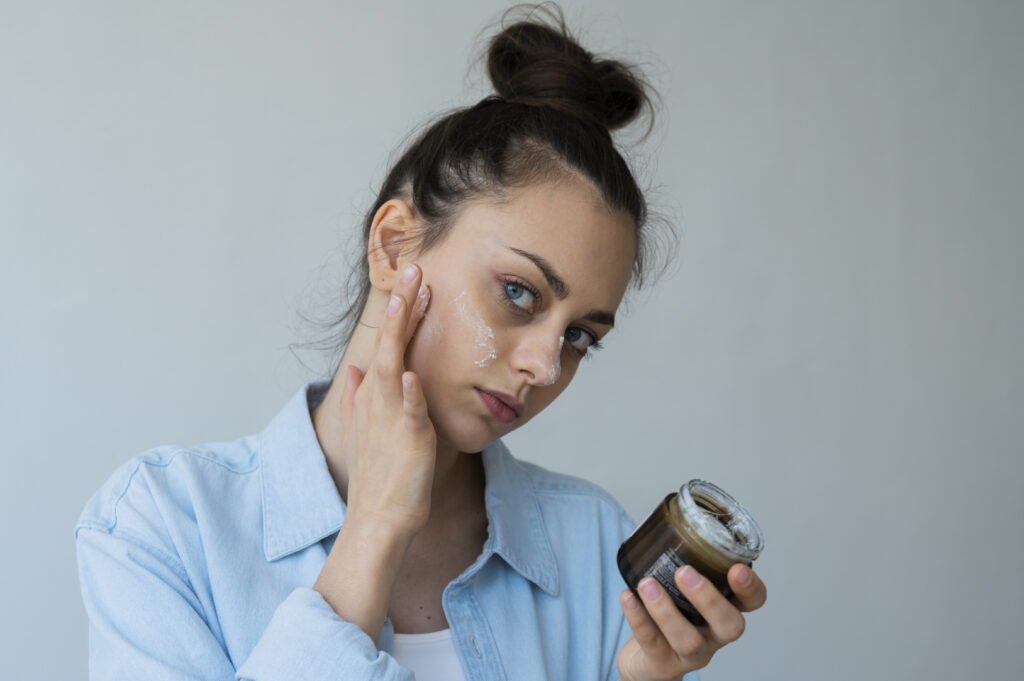
Pores are openings that allow hair follicles and oil glands to function properly. Genetics, age, and oiliness can make them more visible. They can stretch due to the accumulation of oil, dirt, and dead skin inside.

To reduce the appearance of large pores, it is essential to understand the factors that cause them to become enlarged. It is vital to keep the skin clean and free of clogged pores.

Daily Cleansing: Your First Line of Defence

  • Regularly washing the face is the first step in reducing the appearance of pores. This involves removing excess oil, makeup, and dirt from the skin to keep it clean and clear.
  • Use a mild cleanser that does not strip the skin’s natural moisture. Oil-based cleansers are for removing grease, while gel types are for oily skin. 
  • In the evening, double cleanse your face. This helps eliminate deep, large pores on the nose that are clogged with dirt.

Chemical peels to make pores smaller

To reduce the appearance of large pores, consider chemical peels. They gently dissolve dead skin without the need for harsh scrubs. Salicylic acid penetrates pores to remove excess oil. It works best for oily skin.

Glycolic acid helps remove surface dead cells, smoothing the skin. Although not as thorough as a deep clean, it makes pores look smaller by smoothing the surrounding area.

Retinoids: Best for reducing pores

Retinoid creams accelerate skin turnover, helping to prevent clogged pores. They also produce collagen, which helps maintain the skin’s structure in the long term. Hence, retinoids are effective in decreasing huge visible facial pores.

Initially, use OTC retinol every third night for adaptation, then gradually increase the frequency of use. Retinoids can make the skin sensitive to sunlight, so it’s best to apply them at night and shield with a broad-spectrum SPF during the day.

Niacinamide: The Gentle Pore Minimiser

Niacinamide is a form of vitamin B3, which helps decrease oil production, reduce inflammation, and strengthen the skin’s barrier. Regular utilisation diminishes pore appearance and enhances texture.

Niacinamide is gentle. Use with retinoids, vitamin C, and exfoliants in the AM and PM. Opt for 5%-10% niacinamide for effectiveness.

Clay Masks and Deep-Cleansing Treatments

Clay masks absorb excess oil and impurities from pores. Bentonite and kaolin are suitable for oily skin; French green clay is milder for sensitive skin.

Utilise clay masks 1-2x weekly on wetted face; allow drying before rinsing with lukewarm water. Avoid overuse, as this can lead to dryness and irritation.

Professional Treatments for Enhanced Results

  • Home care is vital for managing pores, but professional help can also be beneficial. Understand when to seek help for optimal results.
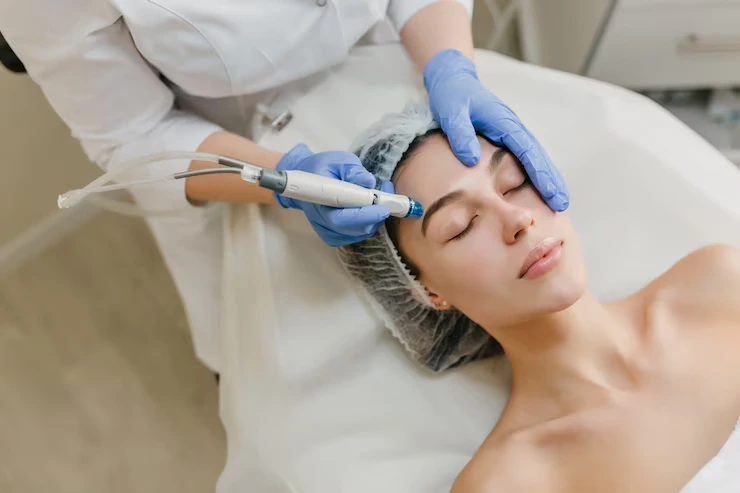
  • Chemists use stronger acids in peels than home peel products. They smooth the skin and reduce pores, which requires good aftercare.
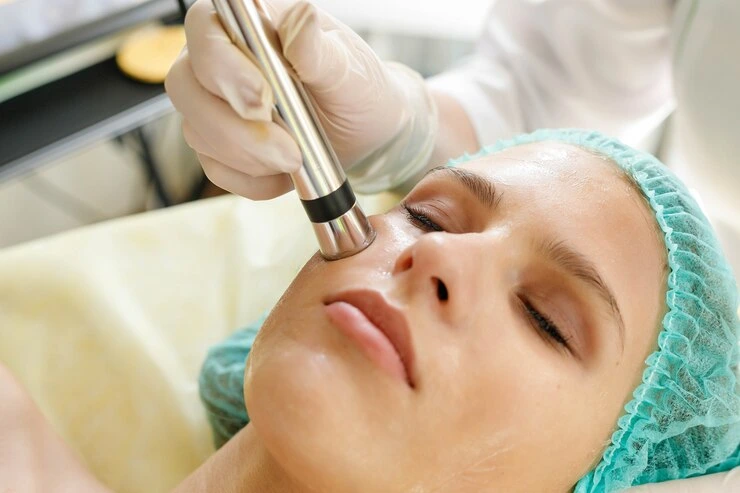
  • Microneedling creates tiny injuries to the skin to stimulate collagen production. This helps to reduce the appearance of ageing or sun-damaged large pores.
  • Lasers target pore size and texture. Consult experts for these treatments and expect some downtime.

The Importance of Sun Protection

Sun damage stretches pores by breaking down collagen, causing them to appear enlarged and more noticeable. A broad-spectrum sunscreen protects your skin from further damage and helps maintain its health.

Choose SPF 30 or higher and reapply every two hours in the sun. Zinc oxide or titanium dioxide is better for avoiding clogged pores.

Building Your Pore-Minimising Routine

  • Use a gentle cleanser followed by treatments, 
  • Moisturise and protect against the sun during mornings. 
  • Focus on intensive therapies such as retinoids or exfoliating acids.

It is better to stick to an easy one than to try a hard one. After using a high-quality product for 6-8 weeks, you typically start to see results.

Conclusion

Minimising the appearance of pores requires a consistent skincare routine and the right treatments tailored to your skin type. With time and proper care, pores can appear significantly smaller, and the skin can look smoother and more refined. Combining at-home maintenance with professional support often leads to the best and fastest results.

Get Rid of Pores on Face with Shadi Danin

For smoother skin, visit Shadi Danin Medi Spa. Call 01273 777177 or email at shadidanin@shadidanin.com to schedule an appointment now. You can also check our shop for high-quality products formulated by professional aestheticians.


Frequently Asked Questions

How long does it take to see results when trying to minimise pore appearance?

Most people see some improvement in 4-6 weeks with regular care. However, significant changes typically take 8-12 weeks. At Shadi Danin Medi Spa, they offer treatments that work more efficiently. Some people notice a difference after just one session. The team can help you determine how long you need to use it based on your skin type.

Although genes determine pore size, clearing pores and maintaining firm skin can make them appear smaller. Shadi Danin Medi Spa offers microneedling and peels that can help improve skin texture and reduce the appearance of pores in the long term. Ask our pros for the best treatments for your skin.

Home care is key, but pros give faster and better results. Using both gives the best skin. At Shadi Danin Medi Spa, we collaborate with clinics and home care providers to achieve and maintain great skin.

Nose pores often appear larger due to excess oil and blackheads. Cleansing twice a day and using clay masks or salicylic acid products can help at home. For deeper, longer-lasting improvements, Shadi Danin Medi Spa offers pore-refining treatments that target stubborn buildup and reduce oil production, resulting in a smoother, less congested nose.

“Open pores” often result from loss of skin elasticity or buildup inside the pores. While you can’t “close” them, you can tighten the surrounding skin and clear the pores for a more refined look. Treatments such as microneedling, radiofrequency, and light-based therapies at Shadi Danin Medi Spa stimulate collagen and reduce the appearance of open pores.

Most people see some improvement in 4-6 weeks with regular care. However, significant changes typically take 8-12 weeks. At Shadi Danin Medi Spa, they offer treatments that work more efficiently. Some people notice a difference after just one session. The team can help you determine how long you need to use it based on your skin type.

Although genes determine pore size, clearing pores and maintaining firm skin can make them appear smaller. Shadi Danin Medi Spa offers microneedling and peels that can help improve skin texture and reduce the appearance of pores in the long term. Ask our pros for the best treatments for your skin.

Home care is key, but pros give faster and better results. Using both gives the best skin. At Shadi Danin Medi Spa, we collaborate with clinics and home care providers to achieve and maintain great skin.

Nose pores often appear larger due to excess oil and blackheads. Cleansing twice a day and using clay masks or salicylic acid products can help at home. For deeper, longer-lasting improvements, Shadi Danin Medi Spa offers pore-refining treatments that target stubborn buildup and reduce oil production, resulting in a smoother, less congested nose.

“Open pores” often result from loss of skin elasticity or buildup inside the pores. While you can’t “close” them, you can tighten the surrounding skin and clear the pores for a more refined look. Treatments such as microneedling, radiofrequency, and light-based therapies at Shadi Danin Medi Spa stimulate collagen and reduce the appearance of open pores.

Night Skin Care Routine: Step-by-Step Guide to Wake Up Glowing

night skin care routine

A glowing complexion is often considered a reflection of good health and self-care. While daytime skincare is essential, your skin heals during the night. A nighttime routine helps your skin recover from the day’s harms. 

This guide provides a step-by-step routine for a nighttime skincare regimen suitable for all skin types. Nighttime is the best time for your skin to repair. The skin makes new cells and collagen when you sleep.

Why a Night Time Skin Care Routine Matters

At night, the skin repairs itself, producing new cells and collagen. Here’s what happens:

  • More cells form between 10 PM and 2 AM.
  • Collagen makes skin firm and smooth.
  • Skin is exposed to the sun and dirt during the day.
  • Blood flows to the skin. It sends nutrients and oxygen for healing.
  • The skin allows products to go inside.
  • Loss of water is high. So, night moisturiser is a must.
  • Good night products are working on visible changes.

Steps to Follow for Night Routine

Clean your face 

Remove all dirt and makeup from your skin. 

  • First wash, oil-based cleaner for makeup.
  • Second wash, water-based cleaner for deep cleaning.

Exfoliate every few days 

Remove dead skin. This helps the skin absorb serum and cream better. Use scrubs or lotions carefully.

  • Use chemical exfoliants, such as AHA and BHA.
  • Avoid scrubs that irritate skin.
  • Exfoliate only 2-3 times weekly.

Toners

Use toners after washing to balance skin pH:

  • Dry skin? Try hydrating toners.
  • Sensitive? Use soothing toners.
  • Oily? Opt for clarifying toners.

They help treatments work better.

Apply Targeted Serums

Nights are the best time for serums:

  • Retinol smoothens fine lines.
  • Vitamin C brightens dark spots.
  • Niacinamide refines pores.
  • Hyaluronic acid hydrates deeply.

Introduce new serums slowly. Always follow with moisturiser.

Eye Cream for the Delicate Eye Area

The skin around your eyes is thin and prone to ageing. A good eye cream will help reduce puffiness, dark circles, and fine lines.

Using your ring finger, apply a small amount of eye cream gently around the eye area. Look for ingredients such as caffeine, peptides, or hyaluronic acid.

Moisturise to Lock in Hydration

Moisturisers lock in hydration. Night creams are richer and contain repairing ingredients like peptides, ceramides, and squalane.

Choose a moisturiser according to your skin type:

  • Dry skin: Use nourishing creams that contain fatty acids.
  • Oily skin: Use lightweight, non-comedogenic gels.
  • Sensitive skin: Opt for hypoallergenic formulas that are fragrance-free.

Moisturising is an essential step in every effective night skincare routine.

Apply Facial Oil (Optional but Beneficial)

Facial oils add nourishment and help keep hydration in the skin. The oils that are rich in antioxidants and essential fatty acids protect the skin and promote a healthy glow.

Put a few drops of oil after the moisturiser or mix it into the cream for more straightforward application.

Care for Lips and Neck

The lips and neck are often overlooked during the nighttime routine, but they also tend to dry out and age prematurely.

  • Apply balm or cream to the lips before bedtime.
  • Apply moisturiser or cream to the neck, just as you would to the face.
  • The lips and neck also need love at night.

Use a rich lip balm or an overnight lip mask to hydrate your lips. Extend your skin care down to your neck and décolletage.

  • For sensitive skin: choose calming ingredients such as oat extract, calendula, and ceramides.
  • Avoid using fragrance, strong acids, and retinol unless advised to do so by a dermatologist.

Simple night skin care routine steps

If you are a beginner, here is a simple night skin care routine that does not overwhelm you, yet gives results:

  • Cleanser – wash away dirt.
  • Toner – balance skin.
  • Serum – treat problems.
  • Moisturiser – offers and seals hydration.
  • Lip balm – prevents dryness of the lips.

This basic version serves as a solid foundation, and it can be expanded as needed.

Conclusion

A well-planned and regular night skin care routine is essential for healthy, radiating skin. Each step in the process of cleaning pores, treating specific issues, and nourishing the skin with creams performs an vital function during the skin’s repair time at night. The entire routine may not be necessary; even a simplified version has advantages if performed consistently with quality.

By adopting this type of nighttime skin care routine instead of neglecting your skin, you are investing in gaining confidence in yourself over time, as well as taking care of your well-being. Give your face some love at night so that it can shine bright come morning!

Want glowing skin? Start yours now

At Shadi Danin Medi Spa, we specialise in personalised skin care routines for effortless beauty. Contact us at 01273 777177 or email us at shadidanin@shadidanin.com to achieve glowing skin overnight.

Frequently Asked Questions

What is a proper nighttime skincare routine?

Start with cleansing. Then add exfoliation if needed. Follow up using toners, serums, and masks. Don’t forget moisturisers or oils. Our spa offers personalised treatments tailored to your unique skin needs.

Twice or three times a week works well for many people, depending on their skin type. Too frequent peeling irritates the complexion and weakens its shield against environmental aggressors. Ask us about suitable products and schedules during consultations!

Seasons, age, and lifestyle type change regularly. For example, heavier cream is needed during winters, while lighter ones suffice in summers. Let experts adjust plans accordingly as per how circumstances vary.

Occasional shortcuts are fine. Cleansing, moisturising, and treating areas of concern are enough to bring Good results too. We help simplify schedules without sacrificing efficacy levels!

Home routines care for skin. Professional treatments accelerate results and address more severe issues. Shadi Danin Medi Spa’s advanced therapies complement your home care for more precise, smoother, and more youthful-looking skin.

Start with cleansing. Then add exfoliation if needed. Follow up using toners, serums, and masks. Don’t forget moisturisers or oils. Our spa offers personalised treatments tailored to your unique skin needs.

Twice or three times a week works well for many people, depending on their skin type. Too frequent peeling irritates the complexion and weakens its shield against environmental aggressors. Ask us about suitable products and schedules during consultations!

Seasons, age, and lifestyle type change regularly. For example, heavier cream is needed during winters, while lighter ones suffice in summers. Let experts adjust plans accordingly as per how circumstances vary.

Occasional shortcuts are fine. Cleansing, moisturising, and treating areas of concern are enough to bring Good results too. We help simplify schedules without sacrificing efficacy levels!

Home routines care for skin. Professional treatments accelerate results and address more severe issues. Shadi Danin Medi Spa’s advanced therapies complement your home care for more precise, smoother, and more youthful-looking skin.

Skincare Tips You Need to Know: Build the Perfect Routine Today

SkinCare Tips

Building an effective skincare routine doesn’t have to be complicated or overwhelming. With the proper knowledge and consistent application of proven skincare tips, you can achieve healthy, glowing skin regardless of your age, skin type, or experience level.

Create a personalised skincare routine that works for you with these straightforward tips. Get glowing skin at any age or type by using the right products consistently.

Understanding Your Skin: The Foundation of Great Skincare Tips

Know your skin type – oily, dry, combination, sensitive, or normal. This influences what products work best for you. Oily skin looks shiny. Dry skin feels tight. Combination skin has both dry and oily parts. Sensitive skin reacts easily, and using the wrong products can cause it to become troubled. Understanding your skin forms the base of an effective routine.

Essential Daily Skincare Routine Tips

To care for your skin effectively, follow these three main steps. Clean your skin carefully, apply some moisturiser, and protect it from the sun. These three steps help maintain the health of all skin types.

Morning Routine Essentials

In the morning, wash your face with a gentle cleanser formulated for your specific skin type. This takes off the oils and dead skin cells from overnight. Use a light moisturiser that hydrates without feeling heavy. Finally, apply sunscreen with a minimum SPF of 30 every day, even on cloudy days or when indoors.

Evening Routine Fundamentals

At night, you can do more than in the morning. First, cleanse your skin thoroughly to remove makeup, sunscreen, and dirt. For heavy makeup or sunscreen, try double cleansing – using oil-based products followed by regular cleaners. Next, apply treatments like serums while the skin is still damp, allowing them to absorb more effectively. Last, use a rich night cream that nourishes the skin.

Seasonal Skincare Tips: Adapting Your Routine Throughout the Year

Your skin changes with the seasons, so it’s essential to adjust your skincare routine accordingly. Knowing what your skin needs is one of the best skincare tips for maintaining its health throughout every season.

Winter Skincare Tips

Cold air can cause your skin to become dry, sore, and sensitive. Here are some winter skincare tips. Switch to a cream-based cleanser. Use a humidifier to keep moisture in the air. Use a serum and then a rich moisturiser. Don’t forget sunscreen. Use facial oils or overnight masks for nourishment. Take care of your lips, hands and eyes too.

Spring Skincare Tips

Spring means warmer weather and more oil production. Here are some spring skincare tips. Exfoliate gently to reveal new, radiant skin. Use Vitamin C serums to brighten and protect your skin. Switch to a lighter moisturiser. Use products containing antioxidants to protect against the sun and pollution.

Skincare Tips for Summer

  • Adjust your skincare routine for hot, humid weather.
  • Focus on controlling oil, protecting from the sun, and maintaining moisture.
  • Switch to a light gel moisturiser suitable for humid conditions.
  • Reapply sunscreen every two hours when outdoors.
  • Use products with niacinamide to reduce oiliness and big pores.
  • Hydrate oily skin with water-based serums and oil-free moisturisers.
  • After sun exposure, use aloe vera or soothing skincare products.

Advanced Skincare Tips for Optimal Results

Once the basic routine is established, incorporate advanced techniques to address specific concerns and enhance results.

  • Ingredient knowledge is crucial for achieving optimal skin care. Retinoids, derived from vitamin A, help improve skin texture in the ageing process.

Application Techniques

  • Apply skincare products from thinner to thicker. Let each layer absorb before applying the next. Always use products gently, with upward movements, on your facial skin.
  • Do not rub around your eyes; instead, pat to avoid pulling the skin. Be sure to apply products to the neck and décolletage, as they also show signs of ageing.

Common Skincare Mistakes to Avoid

  • Over-cleansing or using harsh products disrupts the skin’s natural barrier, causing it to become sensitive and irritated.
  • Trying many new products at once complicates determining which ones are beneficial or detrimental to your skin. 
  • Failing to apply sunscreen can lead to skin damage over time, making it essential for maintaining healthy skin.

Trusted Professional for Skin Transformation

For skin that genuinely stands out, visit Shadi Danin Medi Spa today. Call us on 01273 777177, book online, or email shadidanin@shadidanin.com.

Frequently Asked Questions

How soon can I expect to see results after starting a new skincare routine?

You will start seeing improvement in your skin after four to six weeks of proper adherence. Some changes may come earlier. Shadi Danin Medi Spa offers advanced treatments that can hasten the results as you establish the proper skincare routine.

Yes! Your skin’s needs vary depending on factors such as temperature, humidity level, and direct sunlight. At Shadi Danin Medi Spa, we can help you transition smoothly into your new routine as the seasons change.

Your skincare program should consist of three core products: a cleanser, moisturiser, and sunscreen. At Shadi Danin Medi Spa, we will help you determine the exact number of products necessary for your skin type, thereby saving you both time and money.

Sensitive skin requires gentler formulations and careful ingredient selection, but it is still possible to achieve great results with the correct approach. At Shadi Danin Medi Spa, our experts know how to create customised routines specifically for sensitive skin types.

It’s easier to prevent than fix when it comes to signs of ageing, so start adding sunscreen and antioxidants in your twenties. We provide age-appropriate advice on skin care, along with professional treatments designed to help maintain youthful, healthy skin.

You will start seeing improvement in your skin after four to six weeks of proper adherence. Some changes may come earlier. Shadi Danin Medi Spa offers advanced treatments that can hasten the results as you establish the proper skincare routine.

Yes! Your skin’s needs vary depending on factors such as temperature, humidity level, and direct sunlight. At Shadi Danin Medi Spa, we can help you transition smoothly into your new routine as the seasons change.

Your skincare program should consist of three core products: a cleanser, moisturiser, and sunscreen. At Shadi Danin Medi Spa, we will help you determine the exact number of products necessary for your skin type, thereby saving you both time and money.

Sensitive skin requires gentler formulations and careful ingredient selection, but it is still possible to achieve great results with the correct approach. At Shadi Danin Medi Spa, our experts know how to create customised routines specifically for sensitive skin types.

It’s easier to prevent than fix when it comes to signs of ageing, so start adding sunscreen and antioxidants in your twenties. We provide age-appropriate advice on skin care, along with professional treatments designed to help maintain youthful, healthy skin.

Sensitive Skin Care Guide: Top Dermatologist: Recommended Practices

Sensitive Skin

Here are some steps you can take to help soothe sensitive skin. Choose products that hydrate without irritating. Avoid things that make it itch or get red. Just like you try on shoes to find ones that fit, find skin care that feels right for you, then stick with it.

Here, we cover how to determine what bothers your skin and what goes into a soothing routine.

What Is Sensitive Skin?

Sensitive skin is not a disease. It is a type of skin that cannot tolerate certain things, such as sunlight, cold, and uneven skin surface. It can look:

  • Red
  • Burning or stinging
  • Dry, cracked patches
  • Itchy

If your skin reacts easily, it means your skin has a weak barrier. The barrier does not protect against irritants, such as products containing fragrance, soap, etc. Each person has different triggers.

Causes of Sensitive Skin

Why do some people have sensitive skin? Here are several reasons:

The genes

Some are born with thin skin, which reacts by becoming red when touched by something, such as heat or cold air.

Skin Conditions

Eczema, rosacea, and contact dermatitis are chronic skin conditions that make your skin sensitive. They damage the skin’s barrier, so it can’t retain moisture or keep irritants out.

Environmental Stressors

Wind, excessive heat or cold, pollution, and sun can harm your skin barrier, irritating it. Changes in season also lead to flare-ups due to humidity and allergens.

Harsh Skincare Products

Alcohol toners, harsh acids, and scents can inflame sensitive skin. Using too many exfoliants or frequently changing products disrupts the skin’s balance.

Lifestyle Factors

Improper sleep, stress, and an unhealthy diet exacerbate inflammation and sensitivity. Smoking can cause the skin to weaken over time.

How to Build a Sensitive Skin Care Routine

A good, sensitive skin care routine helps support the skin’s barrier and reduces inflammation. Here’s a simple routine to follow:

Gentle Cleanser

Use fragrance-free, pH-balanced cleansers that wash without stripping the skin’s natural oils. Cream or gel cleansers work best, as they cleanse gently without disrupting the lipid barrier.

Hydrating Toner or Mist (Optional)

If you need a toner, go for calming ingredients such as chamomile, aloe vera or panthenol. Avoid alcohol-based or witch hazel toners that may dry or irritate your skin.

Moisturiser

Apply a thick moisturiser containing ingredients such as ceramides, hyaluronic acid, or squalane to repair and hydrate your skin barrier. Do this when your skin is still moist, as it helps to trap in the moisture.

Sunscreen

Using daily SPF is essential. Use mineral sunscreen with zinc oxide or titanium dioxide, which is usually gentle for sensitive skin types. Reapply every 2 hours when you go out.

Soothing Treatments

Involve calming serums or treatments containing niacinamide, centella asiatica, or madecassoside. They help in healing and reducing redness without stressing the skin.

Sensetive Skin Care

Best Skin Care for Sensitive Skin: Key Ingredients

Selecting the right ingredients can make a significant difference in how your skin behaves. Below is a dermatologist-approved skin care routine for sensitive skin:

  • Ceramides: Restore barriers by replenishing lipids.
  • Hyaluronic Acid: Hydrates deeply without irritation or clogging.
  • Squalane: Mimics natural oils to keep skin supple.
  • Colloidal Oatmeal: Soothes inflammation and itchiness.
  • Niacinamide (Vitamin B3): Strengthens the skin barrier and reduces redness.
  • Aloe Vera: Cools and calms irritated skin.

Steer clear of synthetic fragrances, alcohols, essential oils, and harsh exfoliants, as they can worsen sensitivity.

Skin Care Routine for Sensitive Skin: Morning vs. Night

Morning Routine:

  • Use a gentle cleanser to wash your face.
  • Apply a hydrating serum if needed.
  • Moisturise your skin to strengthen its barrier.
  • Apply broad-spectrum sunscreen with an SPF of at least 30.

Night Routine:

  • Wash your face with a gentle cleanser.
  • Apply a soothing serum or treatment to the affected areas.
  • Moisturise with a rich cream at night.

Keep things simple and stick to the same products. Changing them often might cause flare-ups.

Best Sensitive Skin Care Practices

Besides getting suitable products, here are some tips for taking care of sensitive skin:

  • Use lukewarm water to wash your face; hot water dries out the skin.
  • Gently pat dry with a towel because rubbing can irritate the skin.
  • Perform patch tests when trying out new products to ensure they don’t cause a reaction.
  • Fewer ingredients are better; select essential ones only for sensitive skin.
  • Drink plenty of water and incorporate omega-3 fatty acids and antioxidants into your diet, as these nutrients support healthy skin.

When To See a Dermatologist

If your gentle skin care routine is not working and you still experience redness or irritation, consult a dermatologist. They can:

  • Find out if you have conditions like rosacea or dermatitis
  • Suggest stronger calming treatments
  • Create a special skin care plan just for you

Getting help early can prevent your skin from worsening and improve your life.

Conclusion

Take good care of sensitive skin. Choose mild products, avoid irritants, and maintain a healthy skin barrier. A doctor can help you find the best plan. Your skin needs gentle handling.

Start Your Night Skin Care Journey Today

At Shadi Danin Medi Spa, our expert-led night skin care routines are tailored to restore, repair, and rejuvenate while you sleep. Contact us now at 01273 777177 or email shadidanin@shadidanin.com.

Frequently Asked Questions

Is it okay to exfoliate sensitive skin?

Yes, but use soft forms like lactic acid only once a week. Excessive use can harm your skin’s barrier and exacerbate sensitivity. Don’t scrub or use strong acids. Always put on moisturiser after exfoliating.

You can use retinol carefully. Start with a low strength and use 1-2 times a week. Look for sensitive skin formulas that contain niacinamide or ceramides. Moisturise to lessen irritation. Ask a derm for help if you’re unsure.

Look for “fragrance-free”, “hypoallergenic”, or “for sensitive skin” labels. Avoid long lists, alcohol, essential oils, and dyes. Perform a patch test first, and if it irritates your skin, discontinue use and consult a dermatologist.

Yes, mineral sunscreens are less irritating. They sit on top and reflect UV rays. They’re good for reactive skin. Use broad-spectrum SPF 30+ every day.

To soothe your skin, opt for a mild wash and moisturiser during the day. Use sunblock made of minerals. At night, feed your skin. Don’t use too many active ingredients. Keep it simple. If problems persist, see a dermatologist.

Yes, but use soft forms like lactic acid only once a week. Excessive use can harm your skin’s barrier and exacerbate sensitivity. Don’t scrub or use strong acids. Always put on moisturiser after exfoliating.

You can use retinol carefully. Start with a low strength and use 1-2 times a week. Look for sensitive skin formulas that contain niacinamide or ceramides. Moisturise to lessen irritation. Ask a derm for help if you’re unsure.

Look for “fragrance-free”, “hypoallergenic”, or “for sensitive skin” labels. Avoid long lists, alcohol, essential oils, and dyes. Perform a patch test first, and if it irritates your skin, discontinue use and consult a dermatologist.

Yes, mineral sunscreens are less irritating. They sit on top and reflect UV rays. They’re good for reactive skin. Use broad-spectrum SPF 30+ every day.

To soothe your skin, opt for a mild wash and moisturiser during the day. Use sunblock made of minerals. At night, feed your skin. Don’t use too many active ingredients. Keep it simple. If problems persist, see a dermatologist.

How Much Does CO2 Laser Cost: A Complete Guide 2025

co2 laser cost

Understanding CO2 Laser Technology

You’ve already heard of CO2 laser therapy, which is now widely used in laser therapy as one of the most effective options for skin rejuvenation. Nevertheless, people need to know the cost of CO2 laser treatment before undergoing any medical procedure. This definitive guide will show you what the 2025 cost of CO2 laser treatment is based on, what factors influence the price, and what the expected return on investment should be.

What Is CO2 Laser Treatment?

CO2 laser treatment is one of the most common ways that the medical profession uses to resurface the skin, where carbon dioxide laser technology exfoliates the outer layers of skin. This cutting-edge therapy:

  • Beams a brief, high-intensity shots of light energy
  • Removes the top layer of the skin with great accuracy
  • Boosts the body’s production of collagen
  • Guide the body through the process of healing the skin

Various conditions treated:

The Average CO2 Laser Cost in 2025

According to Save Face UK, CO2 laser resurfacing in the United Kingdom typically ranges from £500 to £2,000 per session, depending on the treatment area and intensity. In 2025, the average CO2 laser treatment cost ranges from:

  • Full-face treatment: £1,500 to £4,500
  • Partial face treatment: £800 to £2,500
  • Spot treatments: £300 to £1,000
  • Multiple session packages: £3,000 to £7,000

These numbers are national averages, but costs are typically higher in cities and luxurious clinics.

CO2 Laser Resurfacing

Factors Affecting CO2 Laser Resurfacing Cost

1. Treatment Area Size

The size of the treatment area will mainly decide your CO2 laser cost. The treated skin areas are as follows:

  • Full face: for the whole face, the price is the highest
  • Partial face (forehead, cheeks, or around the mouth)
  • Neck
  • Hands
  • Spot treatments (specific scars or blemishes)

2. Treatment Type

The CO2 laser treatment technique used will make a difference in price:

  • The most intense one is the Ablative full resurfacing: £2,000- £4,500
  • The less intense Fractional co2 treatment: £1,500- £3,500
  • The gentlest approach would be Non-ablative treatments: £800- £2,000

3. Provider Expertise

Your provider’s qualifications and experience will play a significant role in determining the price of your CO2 laser treatment. The following are some good examples:

  • Board-certified dermatologists or plastic surgeons: £2,000 to £4,500
  • Medical spas with physician oversight: £1,500 to £3,500
  • Less specialised practitioners: £800 to £2,000 (caution recommended)

4. Geographic Location

  • Suburban areas: Essentially close to the national average
  • Rural areas: Very often 20-40% less than the national average

5. Facility Type

Where you get your treatment determines the price of the services you receive:

  • Private plastic surgery clinics: High prices
  • Dermatology offices: Standard prices
  • Medical spas: Random prices and often lower than those in medical offices.

Additional Costs to Consider

If you want to know the total CO2 laser cost, do not forget to include:

  • Pre-treatment consultations: £100-£250 (sometimes credited toward treatment)
  • Pain management: £50-£150 (topical anaesthetics or sedation)
  • Post-treatment products: £100-£300 (specialised skincare for optimal healing)
  • Follow-up visits: £75-£200 (if not included in treatment package)
  • Lost work time: Variable (typically 5-10 days of downtime)

co2 cost

How Long Does a CO2 Laser Last? Understanding Treatment Value

  • 1-2 years: With mild treatment
  • 3-5 years: For withdrawals (average to severe cases)
  • 5+ years: In the case of the intensive treatments, be they either pre-eminent or extensive and with regular skin care maintenance

These timeframes typically make the expense a fair value compared to temporary procedures that need to be repeated frequently.

Cost Comparison: CO2 Laser vs. Alternative Treatments

If you want to determine closely how much the CO2 laser treatment cost, consider the following substitutions:

Treatment Average Cost (UK) Longevity Downtime
CO2 Laser £500–£3,000+ 3–5+ years 7–14 days
Chemical Peels £300–£1,500 1–12 months 3–14 days
Microdermabrasion £150–£450 1–3 months 1–2 days
Botox
£300–£1,000 3–6 months 0–1 day
Dermal Fillers £600–£2,000 6–18 months 0–2 days

Conclusion

CO2 laser treatments are one of the best investments for your appearance, but it can be costly. In 2025, a full facial treatment will cost you between £1,500 and £4,500. Despite this, when you factor in the duration of the CO2 laser, which lasts 3-5+ years with the proper care and overall progress, many patients discover the value proposition very attractive compared to temporary alternatives.

The key to satisfaction lies in selecting the right provider, understanding the full scope of costs, and maintaining realistic expectations about results. For those seeking a dramatic improvement in skin texture, tone, and appearance, CO2 laser treatment often proves to be a worthwhile investment despite the initial cost.

For transparent pricing and expert care you can trust, visit our website. Call us at 01273 738 409 or email us at info@shadidanin.com

Let us help you invest in your skin with confidence.

Frequently Asked Questions

Is CO2 laser treatment painful?


During CO2 laser treatment, most patients report feeling a moderate level of discomfort. At Shadi Danin Medi Spa, we’ll do our best to ensure your comfort by providing pain management solutions tailored to your sensitivity level. 

Yes. You can combine CO2 laser treatment with other procedures to achieve better results. At Shadi Danin Medi Spa, a personalised treatment can mean combining a CO2 laser with other treatments like Botox, fillers, and specific facials for total rejuvenation. 

The required number of treatments is dependent on the condition of your skin and the expected outcomes. To address most issues, Shadi Danin Medi Spa usually recommends 1-3 treatments spaced a couple of months apart.

The healing time on average is from 7 to 14 days after the treatment, with initial redness and swelling. At Shadi Danin Medi Spa, our personalised recovery protocol involves using suitable healing products and regular visits to assess your progress.

While CO2 laser treatment is mostly safe, there is a possibility of potential side effects, such as extended redness or swelling, scarring, or changes in pigmentation. Locally at SHADI DANIN Medi Spa, the possibility of such threats is hardly visible due to their pre-treatment, customised treatment plans, and expert professionals.

During CO2 laser treatment, most patients report feeling a moderate level of discomfort. At Shadi Danin Medi Spa, we’ll do our best to ensure your comfort by providing pain management solutions tailored to your sensitivity level. 

Yes. You can combine CO2 laser treatment with other procedures to achieve better results. At Shadi Danin Medi Spa, a personalised treatment can mean combining a CO2 laser with other treatments like Botox, fillers, and specific facials for total rejuvenation. 

The required number of treatments is dependent on the condition of your skin and the expected outcomes. To address most issues, Shadi Danin Medi Spa usually recommends 1-3 treatments spaced a couple of months apart.

The healing time on average is from 7 to 14 days after the treatment, with initial redness and swelling. At Shadi Danin Medi Spa, our personalised recovery protocol involves using suitable healing products and regular visits to assess your progress.

While CO2 laser treatment is mostly safe, there is a possibility of potential side effects, such as extended redness or swelling, scarring, or changes in pigmentation. Locally at SHADI DANIN Medi Spa, the possibility of such threats is hardly visible due to their pre-treatment, customised treatment plans, and expert professionals.

How to Make Your Hair Grow Faster and Healthier

Shadi Hair

Do you want long, thick hair but are disappointed with your hair growth progress? This guide includes scientifically proven strategies for hair regrowth, whether you are struggling with a bad haircut, thinning hair, or are generally interested in boosting hair growth to help your hair grow faster and healthier.

Understanding Hair Growth: The Basics

It’s necessary to grasp the concept of hair growth before searching for solutions. Hair growth goes through three stages:

  • Anagen (Growth Phase): This stage implies the active growth of hair, which lasts 2-7 years and decides your hair’s maximum length.
  • Catagen (Transition Phase): This is a brief period of 2-3 weeks during which hair follicles shrink.
  • Telogen (Resting Phase): In this phase, your old hair is resting for about 3 months, while the new hair is starting to grow.

Usually, hair grows approximately half an inch each month, which is 6 inches each year. Although you cannot significantly alter the rate of your hair growth genetically, you can certainly enhance the growth conditions to the fullest degree.

Nutrition: The Foundation for Faster Hair Growth

Your hair needs proper nutrition to grow faster and stronger. It’s important to remember that hair growth is not exclusively directed by essential nutrients, but it can be accelerated by the proper use of nutrition:

Protein Power

  • Eat lean meats, fish, eggs, and dairy
  • Use vegetarian and vegan protein sources such as beans, lentils, nuts, and plant protein to replace meat and fish
  • Get 0.8g of protein per kilogram of body weight daily

Vital Vitamins and Minerals

  • Biotin (Vitamin B7): Backs up keratin production
  • Vitamin A: Promotes sebum production for scalp moisture
  • Vitamin C: Makes collagen and guards against oxidative stress
  • Vitamin D: Produces new hair growth
  • Iron: Provides blood with oxygen for the hair follicles
  • Zinc: Maintains hair tissue growth as well as recovery
hair care

How to Make Your Hair Grow Faster with Proper Hair Care

Gentle Cleansing Practices

Excessive washing can lead to hair loss and a loss of the scalp’s natural oil protection.

Suggestions:

  • Wash hair 2-3 times a week (depending on the hair type)
  • Use mild, sulfate-free shampoos
  • Apply the shampoo to the scalp only, not the length
  • Rinse your hair quickly with lukewarm water (hot water also causes damage to the hair)

Conditioning for Growth

Top recommendations:

  • Do not skip the conditioner after shampooing
  • Apply the conditioner from the middle of the length to the ends
  • Take advantage of deep conditioning treatments every week
  • A leave-in conditioner for added protection

Scalp Care

How to make your hair grow faster and thicker is fundamentally associated with a healthy scalp. These points will help make your hair grow faster and thicker:

Regular scalp massages (5 minutes daily) to stimulate blood flow

Exfoliate weekly to remove product buildup and dead skin cells

Keep scalp clean and balanced—not too dry or oily

Consider scalp treatments with growth-stimulating ingredients like peppermint oil

How to Make Your Hair Grow Faster for Men: Specific Considerations

Men often face unique challenges when it comes to hair growth, often due to hormonal factors.

Managing DHT Levels

It is the male hormone Dihydrotestosterone (DHT) that has the capability of reducing the size of hair follicles and decelerating their growth.

Strategies:

  • Using shampoos that contain saw palmetto as an ingredient, and with DHT-blocking action, can be beneficial
  • Zinc levels can be sustained by making alterations to your diet or by consuming supplements
  • Stress, which can boost the levels of DHT, should be eliminated

Beard Oil Benefits

It’s quite an intriguing fact that remedies effective for facial hair often work for your strands as well.

Approach:

  • E.g. Jojoba, argan or castor oil in beard products can be applied to the scalp
  • Peppermint and rosemary oils are plant-based ingredients that can be included in such products
  • Serious problem areas can be your target for the massage bottle

Lifestyle Factors: Accelerating Hair Growth Naturally

Lifestyle plays a major role that goes beyond the benefits of products and having a proper diet.

Stress Management

  • Regular exercise will result in better blood circulation to the scalp
  • Mindfulness meditation
  • Sleeping approximately seven to nine hours weekly
  • Working in a relaxed manner and engaging in leisure activities

Protection against Heat and Chemicals

Protection against damage is a must for retaining length.

The best ways to go about it are:

  • Keep heat tools at maximum for one hour once a week
  • Make sure you are using a heat protectant always
  • Do not do chemical-based treatments during the period when you want to get longer hair
  • Wear hairdos that look natural without needing any hot tools to style

Professional Appointments to Achieve Faster Hair Growth

Procedures Which Enhance Hair Growth

These are going to work well:

Supplements to Add to Your List

  • Biotin ( 2,500-5,000 mcg a day) from food supplements
  • Collagen peptides will help as well
  • Intake of Omega-3 fatty acids
  • Use a multivitamin suitable for hair growth only

Conclusion

Knowing how to make your hair grow faster is not just about using special shampoos and lotions. The idea is to follow a comprehensive path that integrates nutrition, proper hair care, stress reduction, and damage prevention in a way that matches the hair type and other specific needs. Keep in mind that health from within creates beauty on the outside, and growth is more of a long-term process.

If you have questions or need personalised advice, don’t hesitate to contact us at 01273 777177 or email us at shadidanin@shadidanin.com. We’re here to help you on your hair growth journey!

Frequently Asked Questions

Can hair growth supplements make a difference?

High-quality hair growth supplements are effective in replenishing any nutrients the body is missing. Our wholesome approach includes these nutritional supplements and other remedies. Shadi Danin Medi Spa provides salon-grade, efficient hair growth supplements that match their specialised treatments.

The primary focus should be on taking care of the scalp and preventing breakage. At Shadi Danin Medi Spa, we use special techniques to stimulate the hair roots and provide the hair with an abundant supply of necessary nutrients.

An efficient shampoo for hair growth should have cleansing capabilities to remove dirt without stripping your hair of its natural oils, contain substances that stimulate hair growth, and address your specific scalp issues. We have blends of peptides, botanical extracts, and mild cleansers that can efficiently create an environment favourable to rapid hair growth. Check out our online shop for a range of hair products.

Recent studies show that the male population with thinning hair can benefit more when a unique process, which targets the reduction of DHT in the scalp, increases circulation, and boosts follicles, is used. Shadi Danin Medi Spa has an exceptional line of male-pattern thinning hair treatments that feature only the best of natural ingredients and cutting-edge technology.

Snipping off the ends of your hair doesn’t directly affect growth; however, regular minor trims remove split ends, maintain hair length, and make hair healthier by reducing breakage.

High-quality hair growth supplements are effective in replenishing any nutrients the body is missing. Our wholesome approach includes these nutritional supplements and other remedies. Shadi Danin Medi Spa provides salon-grade, efficient hair growth supplements that match their specialised treatments.

The primary focus should be on taking care of the scalp and preventing breakage. At Shadi Danin Medi Spa, we use special techniques to stimulate the hair roots and provide the hair with an abundant supply of necessary nutrients.

An efficient shampoo for hair growth should have cleansing capabilities to remove dirt without stripping your hair of its natural oils, contain substances that stimulate hair growth, and address your specific scalp issues. We have blends of peptides, botanical extracts, and mild cleansers that can efficiently create an environment favourable to rapid hair growth. Check out our online shop for a range of hair products.

Recent studies show that the male population with thinning hair can benefit more when a unique process, which targets the reduction of DHT in the scalp, increases circulation, and boosts follicles, is used. Shadi Danin Medi Spa has an exceptional line of male-pattern thinning hair treatments that feature only the best of natural ingredients and cutting-edge technology.

Snipping off the ends of your hair doesn’t directly affect growth; however, regular minor trims remove split ends, maintain hair length, and make hair healthier by reducing breakage.

Is Laser Hair Removal Permanent? A Complete Guide 2025

permanent laser hair removal

Laser hair removal is a popular solution for reducing unwanted hair. Many people wonder if the results are permanent. It is a non-invasive cosmetic procedure that provides semi-permanent hair removal. This guide explains how laser hair removal works, its effectiveness, and what to expect in 2025.

How Does Laser Hair Removal Work?

Laser hair removal targets hair follicles. During the treatment, concentrated light is shone onto the melanin in hair follicles. The follicle absorbs the light, becoming damaged and thus reducing hair growth. After a series of treatments, the hair becomes finer and lighter, and some follicles are no longer capable of hair growth.

How Permanent is Laser Hair Removal?

Undergoing Laser hair removal offers long-term hair reduction but is not always permanent. Some follicles may regenerate over time, especially due to hormonal changes. However, most patients experience a significant and lasting reduction in hair growth.

  • Permanent hair reduction: Some follicles are destroyed, and will never grow hair again.
  • Hair regrowth: Some follicles may regenerate but typically produce lighter, finer hair.
  • Maintenance sessions: Occasional touch-ups help maintain results.

Is Laser Hair Removal Painful

Laser hair removal is usually not very painful and is often described as feeling like a rubber band snapping against the skin. However, the pain level varies by person and the area being treated. 

Factors That Affect Laser Hair Removal Results

The effectiveness of the laser hair removal process depends on several factors:

Hair and Skin Type

  • Best results: Dark, coarse hair on lighter skin.
  • Less effective: Light hair (blonde, grey, red) and darker skin tones may need specialised lasers.

Hormonal Influences

  • Conditions like PCOS (Polycystic Ovary Syndrome) and pregnancy can cause regrowth.
  • Fluctuating hormones may affect the longevity of results.

Number of Sessions

  • Most people need 6–8 sessions for optimal reduction.
  • Spaced 4–6 weeks apart to target hair in different growth cycles.

Treatment Area

  • Some areas (legs, underarms) respond better than others (face, bikini line).
  • Facial hair, especially in women, may require more maintenance due to hormones.

How Permanent is Laser Hair Removal?

Laser hair removal can keep hair away for months to years. Depending on individual factors.

  • After a full treatment cycle: Most people see an 80–90% reduction.
  • Without maintenance: Some hair may return but will be finer and lighter.
  • With occasional touch-ups: Hair-free results can last for years.

Is Laser Hair Removal Safe?

Is-Laser-Hair-Removal-Safe

Side Effects and Risks

Laser hair removal is generally safe, but potential side effects include:

  • Redness and irritation: Mild swelling and redness are common but temporary.
  • Pigment changes: Darker skin tones may experience hyperpigmentation or hypopigmentation.
  • Burns or blisters: Rare but possible with improper laser settings.
  • Eye injury: Protective eyewear is required during treatment.

Choosing a licensed and experienced provider minimises risks.

At-Home vs. Professional Laser Hair Removal

Feature Professional Laser Hair Removal At-Home Laser Devices
Effectiveness More powerful, longer-lasting results Less powerful, slower results
Safety Performed by professionals Requires careful use
Cost Higher initial cost More affordable but may require frequent use
Sessions Needed Fewer due to stronger lasers More due to lower energy levels

Professional laser treatments are more effective but costlier, while at-home devices are convenient but require consistent use for visible results.

Permanent Laser Hair Removal Cost

The cost varies based on location, provider, and treatment area:

  • Small areas (upper lip, chin): $100–$300 per session
  • Medium areas (underarms, bikini): $250–$500 per session
  • Large areas (legs, back): $600–$1,200 per session
  • Full-body treatments: $3,000–$6,000 for a full course

Many clinics offer packages and financing options to reduce costs.

Conclusion

One of the great benefits of laser hair removal is that it could bring a long-term reduction of future hair growth. However, the result can vary by person. It is very common that some people even feel they have had no hair grow there anymore, while others may notice a little bit of new hair growth needing only intermittent treatment to get rid of it. There have been a lot of advancements in laser technology leading to better outcomes, thus making laser hair removal the top option for removing excess and ingrown hairs.

Book your laser hair removal appointment with us! Give us a call at 01273 777177.

Frequently Asked Questions

How many laser hair removal sessions do I need?

Sessions may vary. Most need an average of 6-8 sessions. Schedule them 4-6 weeks apart.

It feels like a rubber band snapping against your skin. Some spots are more sensitive, so numbing creams can help.

Yes, it’s safe for the bikini area, underarms, and face if set appropriately and handled carefully.

If you stop early, hair may grow back in patches because not all follicles were treated while actively growing.

You can shave, but do not wax or pull out hairs, as this removes the hair root needed for the laser.

Sessions may vary. Most need an average of 6-8 sessions. Schedule them 4-6 weeks apart.

It feels like a rubber band snapping against your skin. Some spots are more sensitive, so numbing creams can help.

Yes, it’s safe for the bikini area, underarms, and face if set appropriately and handled carefully.

If you stop early, hair may grow back in patches because not all follicles were treated while actively growing.

You can shave, but do not wax or pull out hairs, as this removes the hair root needed for the laser.

Innovative Approaches to Melasma Treatment in 2025: What’s New and Effective?

melasma treatment 2025

Melasma can feel like an uninvited guest that overstays its welcome, leaving you frustrated and self-conscious. Despite trying countless creams and treatments, those stubborn dark patches just won’t fade. But what if everything you thought you knew about treating melasma was wrong?

Contrary to popular belief, there might be more effective solutions than traditional treatments. Over 50% of Australians with melasma report dissatisfaction with conventional therapies. Are you one of them? Have you been using the same old methods yet to see significant improvement?

“The key to effective melasma treatment lies in innovative approaches targeting pigmentation’s root causes. It’s not just about lightening the skin; it’s about understanding and addressing the underlying factors,” commented skin expert and intimate wear specialist Danielle Foster from Bralettes. 

So, why stick to outdated treatments that don’t deliver results? Keep reading and explore the latest and most effective approaches to melasma treatment in 2024. From cutting-edge laser therapies to novel topical agents, discover what’s working and how to achieve clearer, more radiant skin.

Cutting-Edge Laser Therapies

Laser treatments have revolutionised melasma management, offering precise and effective solutions for stubborn pigmentation. 

Recently, advanced laser technologies like the Q-switched Nd: YAG laser and fractional picosecond lasers are leading the way. These lasers target melanin with high precision, breaking down pigment without damaging surrounding tissue. 

Studies show these treatments significantly reduce melasma severity, especially in patients with darker skin tones.

Topical Solutions

Topical Solutions

Topical treatments remain a cornerstone of melasma management. The latest formulations include powerful ingredients like tranexamic, kojic, azelaic, and vitamin C. These agents work by inhibiting melanin production and promoting skin renewal. 

For instance, tranexamic acid has shown promising results in reducing hyperpigmentation when combined with other topical agents. 

Additionally, new non-hydroquinone depigmenting agents are gaining popularity due to their efficacy and lower risk of side effects.

The Role of AI in Personalised Skincare Regimens

Artificial Intelligence (AI) transforms skincare by providing personalized treatment plans tailored to individual skin needs. AI-driven skincare apps analyse skin type, environmental conditions, and lifestyle habits to recommend customized regimens. 

This technology ensures patients receive the most effective treatments for their melasma condition, enhancing overall outcomes. By leveraging AI, dermatologists can offer more precise and practical solutions, reducing trial and error in treatment plans.

Transform Your Skin Today—Experience Cutting-Edge Melasma Treatments at Shadi Danin Medi Spa!

The landscape of melasma treatment is rapidly evolving, with advanced laser therapies, innovative topical solutions, and AI-driven skincare regimens offering new hope. Stay informed about these advancements to make effective choices and achieve clearer, more radiant skin.

At Shadi Danin Medi Spa, we are at the forefront of these innovations. Shadi Danin, a highly qualified laser technician and trichologist, offers expert, honest advice and state-of-the-art treatments for various skin concerns. Our Brighton and Harley Street clinics provide a unique experience where you can feel comfortable and trust that you receive the best care for your skin and hair needs.

Whether dealing with melasma, acne, hair loss, or other skin conditions, Shadi Danin Medi Spa has the expertise and technology to help you achieve clearer, healthier skin. We invite you to book a free personal consultation to discuss your needs and explore our comprehensive range of treatments.

Contact us today at 01273 777177 or email shadidanin@shadidanin.com to start your journey towards radiant skin. Let us help you embrace the latest melasma treatment and achieve your desired results.

The Ultimate Guide to Melasma Treatment: Understanding the Causes and Solutions

melasma treatment

Have you ever looked in the mirror and wondered where those unwelcome dark patches on your skin came from? If you’re nodding in agreement, then you’re certainly not alone. Melasma, a condition that causes brown to grey-brown patches, mainly on the face, affects millions worldwide, with women being nine times more likely to be affected than men.

Pigment

But what exactly triggers these pigment changes, and why do they seem to play a game of hide-and-seek with your complexion? From hormonal fluctuations to sun exposure, the causes of melasma are as complex as the condition itself.

But what if you could wave goodbye to those pesky patches and embrace clear, even-toned skin? The global market for melasma treatments is booming, expected to reach over $5 billion by 2031, reflecting the high demand for effective solutions.

“Melasma can be a persistent puzzle, but with the right pieces, a solution is possible,” shares Isaiah Burke, a dermatologist with expertise in pigmentation disorders and a distributor of summertime favourites at Beach Umbrella“Understanding the underlying causes and personalised treatment options is key to turning the tide against these tides of tan.”

So, are you ready to embark on a journey to clearer, more radiant skin? Read on and unravel the mystery of melasma, exploring cutting-edge treatments and timeless tips, ensuring your skin reflects your true self, minus the unwanted extras. After all, understanding is the first step to overcoming it!

Understanding the Causes of Melasma

Melasma often called the mask of pregnancy or chloasma, is a common skin condition that presents as brown or blue-grey patches, primarily on the face. While it’s more prevalent among women—particularly during their reproductive years—it can affect anyone and has a variety of triggers and causes.

The exact cause of melasma remains a mystery, but several factors are known to play a role:

Hormonal Changes

A significant number of cases are linked to hormonal fluctuations, such as those occurring during pregnancy, with the use of oral contraceptives or hormone replacement therapy.

Sun Exposure

UV radiation is a major contributor to melasma, exacerbating the condition and making it more noticeable.

Genetic Predisposition

If you have a family history of melasma, your risk of developing the condition increases, especially when combined with sun exposure.

Navigating Treatment Options

When it comes to treatment, there’s no one-size-fits-all solution, and the effectiveness can vary. Here’s a rundown of the most common treatments:

Topical Treatments

These include hydroquinone, which is used to lighten the skin, and tretinoin, which helps with skin cell turnover. Azelaic acid is another option that can help reduce pigmentation.

Laser Therapy

Procedures like the Q-switched Nd: YAG laser have shown promising results, with one study indicating that 87% of combination therapies were more effective than single therapies.

Chemical Peels and Microneedling

These treatments remove the outer layer of skin, potentially improving the appearance of melasma.

Systemic Therapy

Oral medications, such as tranexamic acid, have emerged as a potential treatment, offering a systemic approach to managing melasma.  

Lifestyle Changes and Skincare Routines

Managing melasma isn’t just about treatment; it’s also about prevention and care:

Sun Protection

Using a high-SPF sunscreen and wearing protective clothing can help prevent melasma from developing or worsening.   

Skincare Routine

Incorporating products like vitamin C serums and retinoids can aid in treating and managing melasma.

Diet and Stress Management

A balanced diet rich in antioxidants and effective stress management can prevent melasma flare-ups.

Melasma is a complex condition with a variety of treatment options available. While some treatments show high efficacy, the condition often requires a multifaceted approach, combining medical treatments with lifestyle adjustments. It’s essential to consult with a dermatologist to determine the best course of action for your specific case. Protecting your skin from the sun and maintaining a healthy skincare routine is critical to managing melasma.

Take Control of Your Skin Health with Shadi Danin Medical Spa’s Personalized Treatments

Shadi Danin Medical Spa is the place to go if you’re looking for expert care to manage melasma. With a wide range of services tailored to treat melasma and other skin concerns, Shadi Danin Medical Spa combines state-of-the-art technology with personalized care to deliver results that meet and exceed expectations. Our team of professionals is dedicated to guiding you through each step of your treatment, ensuring you receive the support and expertise you deserve

Contact Shadi Danin Medical Spa if you’re ready to take control of your skin’s health and explore the treatments that can restore your confidence. Let’s embrace a brighter, clearer tomorrow together.

A Comprehensive Guide to Warts and Verruca Treatment in Brighton

Warts-and-Verruca-treatment

Each one of us wants to look good, whether it is our face or attire. However, some common dermatological conditions like warts and verruca can degrade a person’s self-esteem and appearance. Moreover, they can also be a source of discomfort and self-consciousness.

But not anymore!

In today’s modern and technologically advanced world, several treatment methods are available to fight these frustrating skin conditions. Let’s read ahead and find out about Warts and Verruca Treatments in Brighton.

What are Warts and Verruca?

Warts are small, rough lumps on the skin that are caused by human papillomavirus (HPV). They can occur anywhere on your skin, such as on your hands, feet, and face.

Ranging from a size of 1 mm to 1 cm, these irritating elements may take months and years to go away.

Verruca are warts that are commonly found on your feet. While normal warts may degrade your self-esteem, verruca can cause you comfort while walking.

These warts and verruca can be classified into several types, such as

  • Common warts
  • Plane warts
  • Filiform warts
  • Palmar and plantar warts
  • Periungual warts
  • Mosaic warts

How to Treat Warts and Verruca?

Yes, warts and verruca may take months and years to go away. But you don’t have to wait that long. There are numerous state-of-the-art treatments for warts and verruca.

Wart Diagnosis

Though it is easier to diagnose a wart by looking at the skin growth, if that’s not an option, a skin biopsy can be helpful in diagnosing warts.

Warts Diagnosis

Warts and Verruca Treatment

1. Salicylic acid treatments

When it comes to getting rid of warts and verrucas, you can begin with over-the-counter (OTC) solutions. These solutions include the use of salicylic acid gels, liquids, and patches. The cure rate of these OTC solutions is 50 to 70%. They have to be used consistently for three months to get the best result as they remove the warts layer by layer.

Precautions: Make sure you wash and soak the area before applying the gel. If you have diabetes, poor circulation, or a wart on the face, don’t apply the gel.

2. Cryotherapy

This is another solution where liquid nitrogen is sprayed on the wart. Liquid nitrogen is cold, which freezes the wart, and it eventually peels off. Keep in mind that you may have to get multiple sessions of cryotherapy to get the wart removed.

Precautions: The solution is not fit for children and those with circulation issues.

3. Immunotherapy

Immunotherapy is a process where a health specialist injects immunity-boosting liquids into your body. These liquids can fight the virus, causing the warts to go away. The name of one such immunity-boosting liquid is diphencyprone (DCP).

Some doctors also prescribe imiquimod, which is more effective in fighting warts.

4.Surgery

Though this is the last-minute option, surgery is the fastest way to get rid of warts. Doctors can remove the wart, but it may leave a scar on the treated area.

5. Laser treatment

Laser treatment involves heating the blood vessels inside the wart and cutting the blood supply. The wart is deprived of blood, which ultimately leads to wearing off. Just like surgery, this process may also leave a scar on your skin.

Are There Any Home-based Warts and Verruca Treatment?

Yes, there is a home remedy for warts. In this, you have to cover the wart with duct tape for six days. On the 7th day, you have to rub the wart with an emery board to get rid of the dead tissue layer. You have to repeat this for several weeks to eliminate the wart.

Conclusion

Always keep in mind that warts and verruca are contagious. Therefore, whenever you notice them on your skin or feet, it is best to get them treated by a professional doctor. The treatment method depends on how quickly you want to get rid of it.

If you are witnessing one right now, you can rely on Shadi Danin, a professional provider of warts and verruca treatment in Brighton.